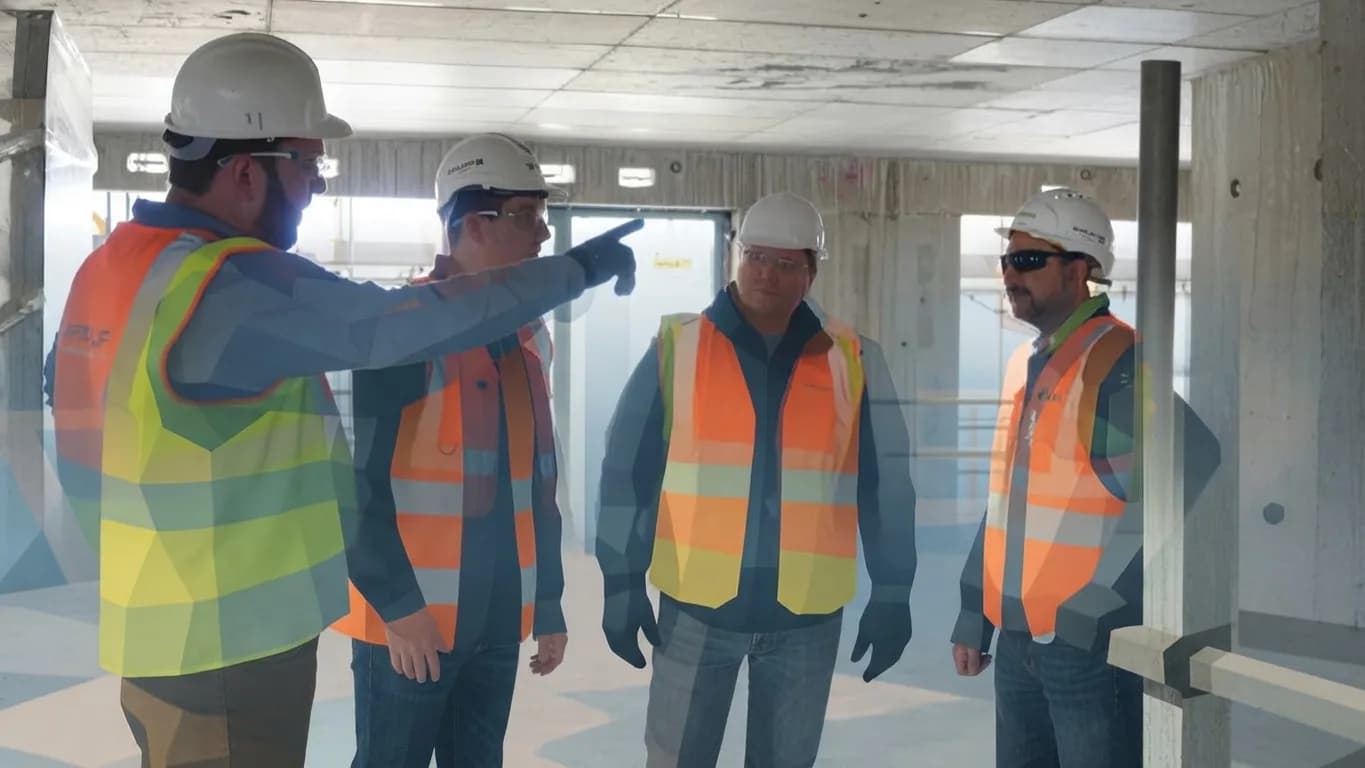
What Are Site Inspections For?
Site inspections are the cornerstone of quality assurance and safety on a construction project. What they cover, why they decide whether a project succeeds, and when they should be carried out.
What we end up explaining on the phone, written down once: when a job needs an engineer, who signs what under the building regulations, and what a precast frame is actually buying you.
Site inspections are the cornerstone of quality assurance and safety on a construction project. What they cover, why they decide whether a project succeeds, and when they should be carried out.
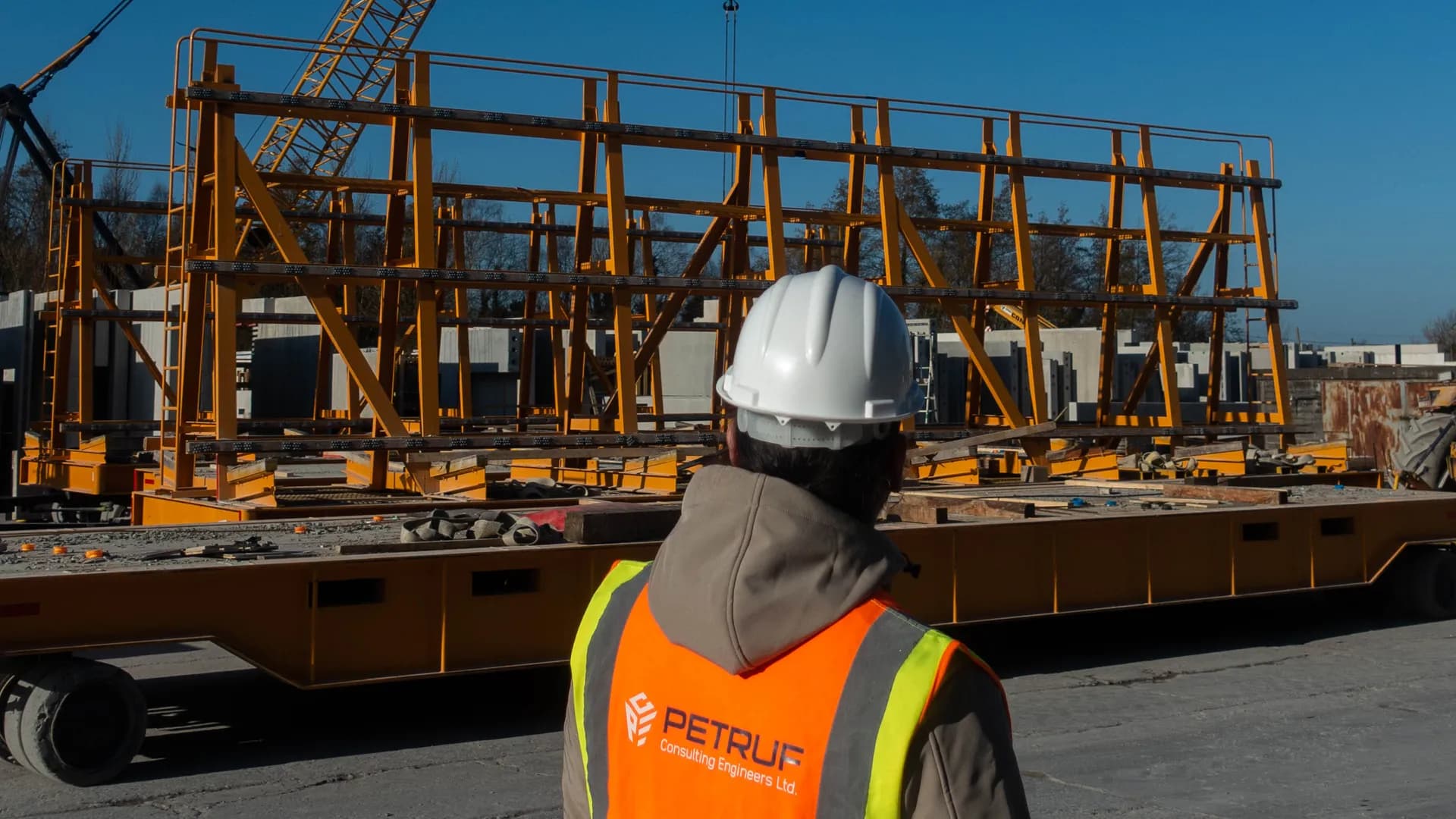
Sustainability, technological integration and performance are converging to redefine project outcomes, and precast concrete is leading that transformation.

Early Contractor Involvement (ECI) is becoming a strategic advantage in precast concrete projects, where precision, timing, and planning are key to success.
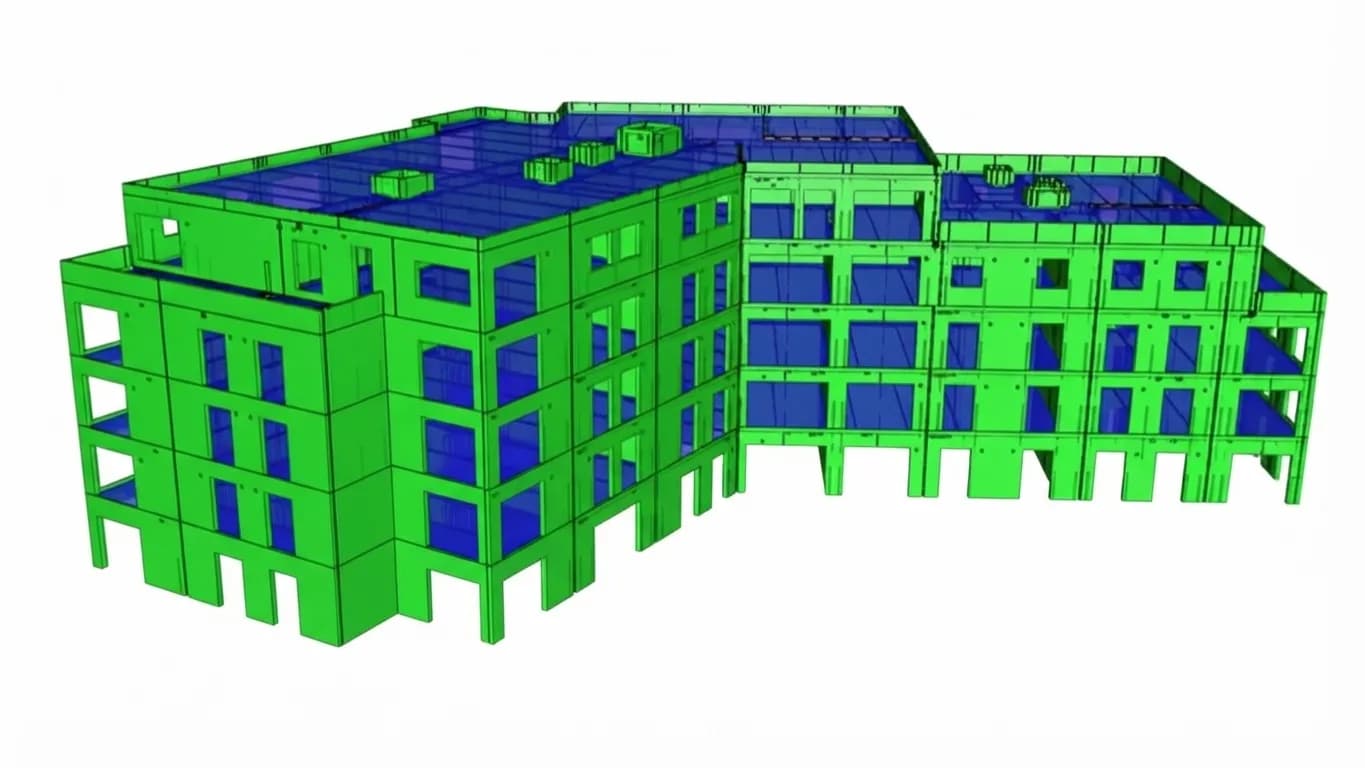
BIM is one model everybody works from instead of a set of drawings everybody redraws. On a precast job that changes who finds the clash, and when.
PAS 1192-2 describes Building Information Modelling (BIM) as the process of designing, constructing or operating a building or infrastructure asset using electronic object-oriented information, forming a reliable basis for decisions throughout the project life cycle.
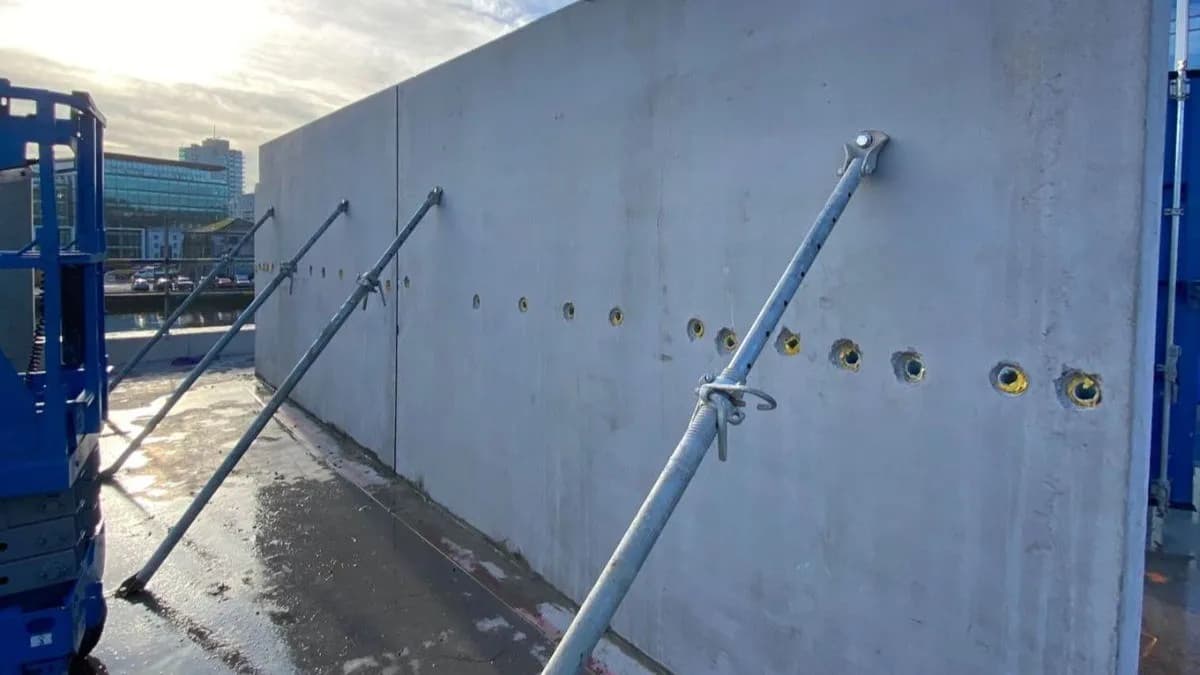
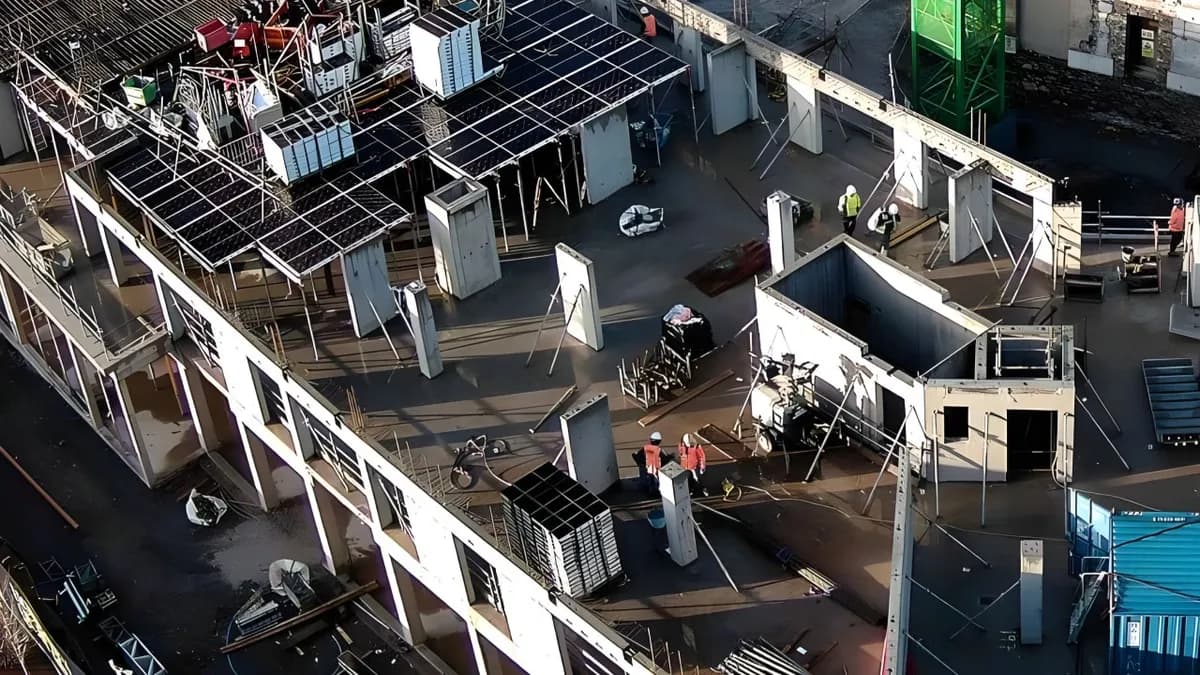
Precast concrete is made in a factory or controlled environment before being transported to site. Instead of pouring concrete on site and waiting for it to cure, the pieces are made in advance and then assembled.
Drawings, a specification, or the site address and the programme dates: whatever you have is enough to start. We come back inside two working days, and a written fee proposal against a defined scope follows within three working days of that.