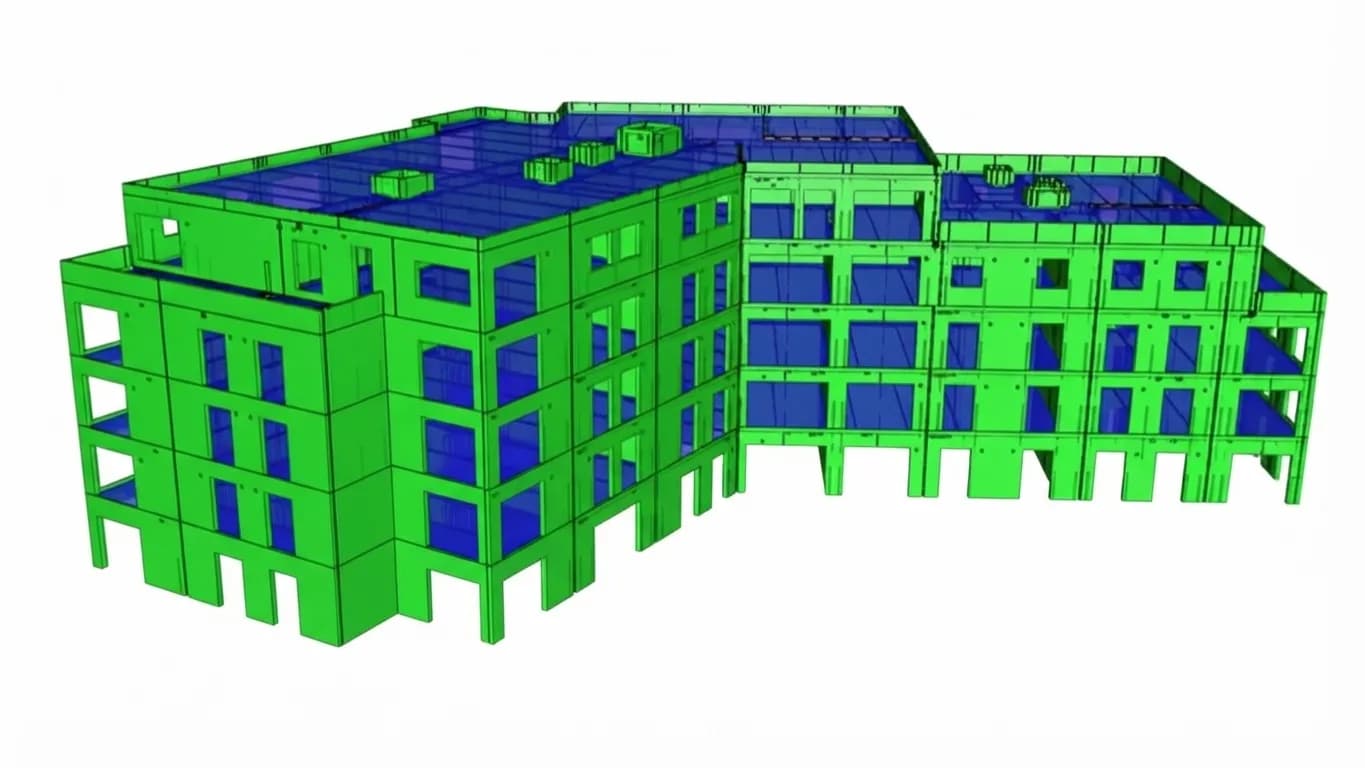
BIM Implementation in Precast Concrete
BIM is one model everybody works from instead of a set of drawings everybody redraws. On a precast job that changes who finds the clash, and when.
3 min read
Early Contractor Involvement (ECI) is becoming a strategic advantage in precast concrete projects, where precision, timing, and planning are key to success.
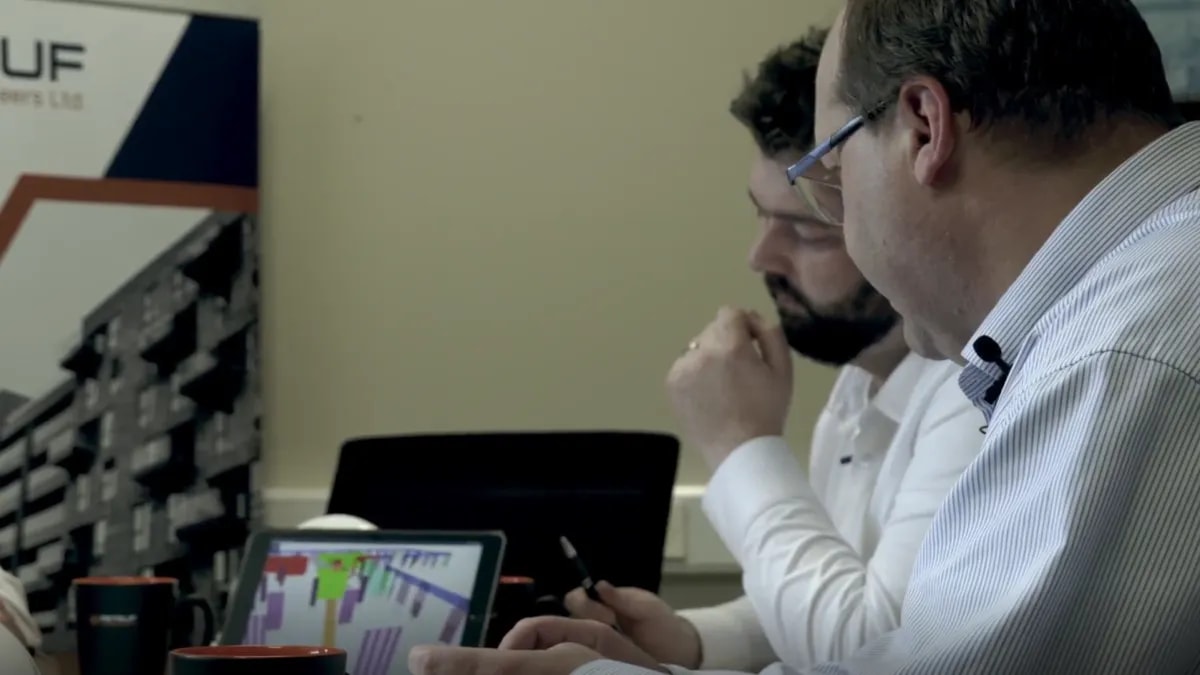
In construction, collaboration is more than a nicety. Early Contractor Involvement is becoming a strategic advantage, especially on precast concrete projects, where precision, timing and planning decide the outcome. By engaging contractors and key stakeholders early in the design process, teams reduce risk and deliver on time and within budget.
ECI is a procurement approach where contractors and key stakeholders, precast consultants among them, are brought into the design process at an early stage. That allows shared expertise, better risk management and more informed decisions before construction begins.
Unlike traditional methods, where contractors arrive after the design is complete, ECI encourages active participation during design development. The early collaboration aligns design intent with practical execution capability, which is what makes a project buildable and cost-effective from the outset.
The process typically unfolds in five stages:
Precast construction demands precision and coordination, which is what makes ECI particularly valuable on it. Four things change:
ECI is not without difficulties:
Acknowledging those points sets realistic expectations and encourages thoughtful application rather than blanket adoption.
The power of ECI is amplified by digital construction technology. BIM, cloud based collaboration platforms and live data sharing let teams work faster and with fewer surprises. On precast projects, integrating 3D modelling with prefabrication expertise allows for:
As these technologies become standard practice, ECI will continue to evolve as a cornerstone of efficient, sustainable construction.
Early Contractor Involvement improves precast construction by fostering collaboration, reducing risk and improving outcomes. It requires commitment and upfront investment, and the benefits in optimised design, cost saving and smoother execution are substantial.
BIM is one model everybody works from instead of a set of drawings everybody redraws. On a precast job that changes who finds the clash, and when.
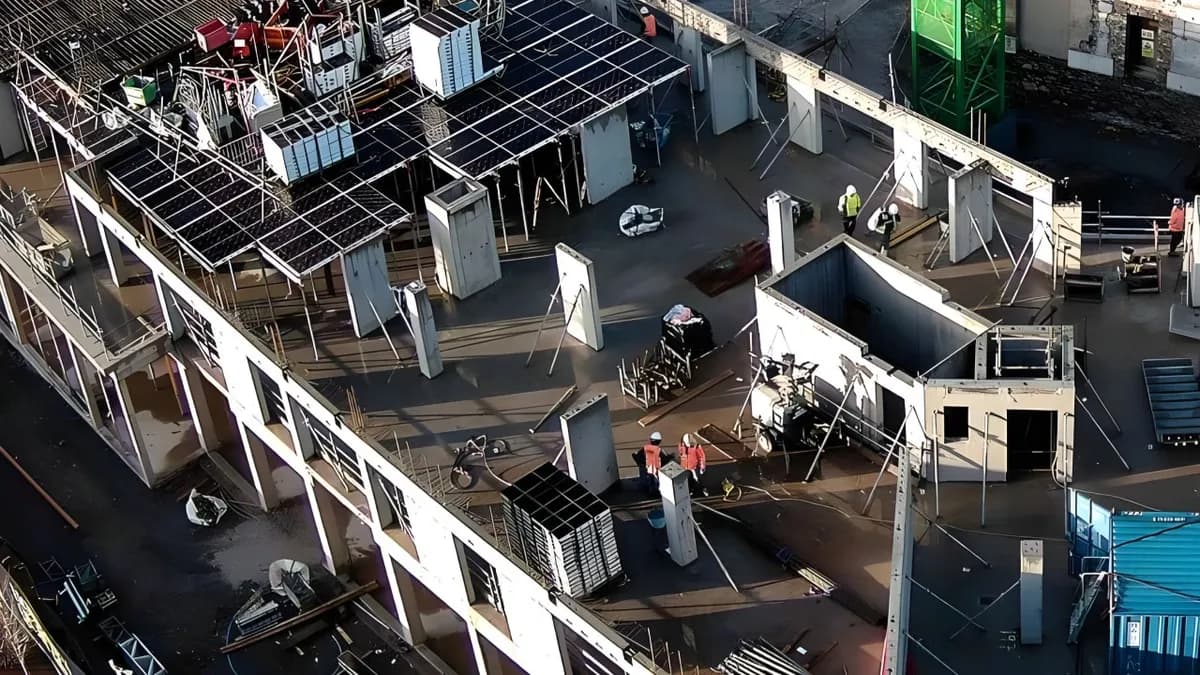
PAS 1192-2 describes Building Information Modelling (BIM) as the process of designing, constructing or operating a building or infrastructure asset using electronic object-oriented information, forming a reliable basis for decisions throughout the project life cycle.
Drawings, a specification, or the site address and the programme dates: whatever you have is enough to start. We come back inside two working days, and a written fee proposal against a defined scope follows within three working days of that.