Sounds mad? Texas A&M researchers have developed concrete using cyanobacteria and fungi that repairs its own cracks using only air, sunlight and water. No repair crews blocking lanes. No traffic delays.
What we are actually seeing on site
The construction industry gets a bad name for being slow to change. That is not true any more. We are watching companies use technology in ways that would have seemed impossible five years ago.
Consider the arithmetic. Repair and maintenance runs at about €135 per cubic metre. For projects like the Dublin Port Tunnel or offshore wind farm foundations, paying more upfront saves millions later.
MIT researchers found that ancient Roman concrete self-heals using quicklime, creating a calcium solution that fills cracks. Those Roman aqueducts still work after 2,000 years. Meanwhile, we are patching the M7 every few years.
What 3D printing means for Irish housing
Forget the hype. Here is what matters: the government wants to build 41,000 homes in 2025 and 303,000 by 2030.
The global 3D printing construction market is heading toward $523 billion by 2030. Companies are printing entire houses in 24 hours, and not just prototypes: multi-storey buildings, bridges and complex structures.
Imagine printing affordable housing in Fingal or Cork in days instead of months. With our planning delays and labour shortages, we need every advantage we can get.
Robots on Irish sites
Last month, a contractor in Dublin told us they cannot find bricklayers at any price. Sound familiar?
Robots now lay bricks, install drywall and weld steel beams. They handle the repetitive work while skilled workers focus on the complex tasks. Wages in Irish construction moved from minus 2.2% to plus 11.7% in twelve months on labour competition alone.
Robots do not solve everything, but they help fill gaps when you cannot find workers.
BIM is more than software
Ireland is embracing BIM as standard practice, with stricter regulations driving adoption. Good thing too: remember the National Children's Hospital budget overruns?
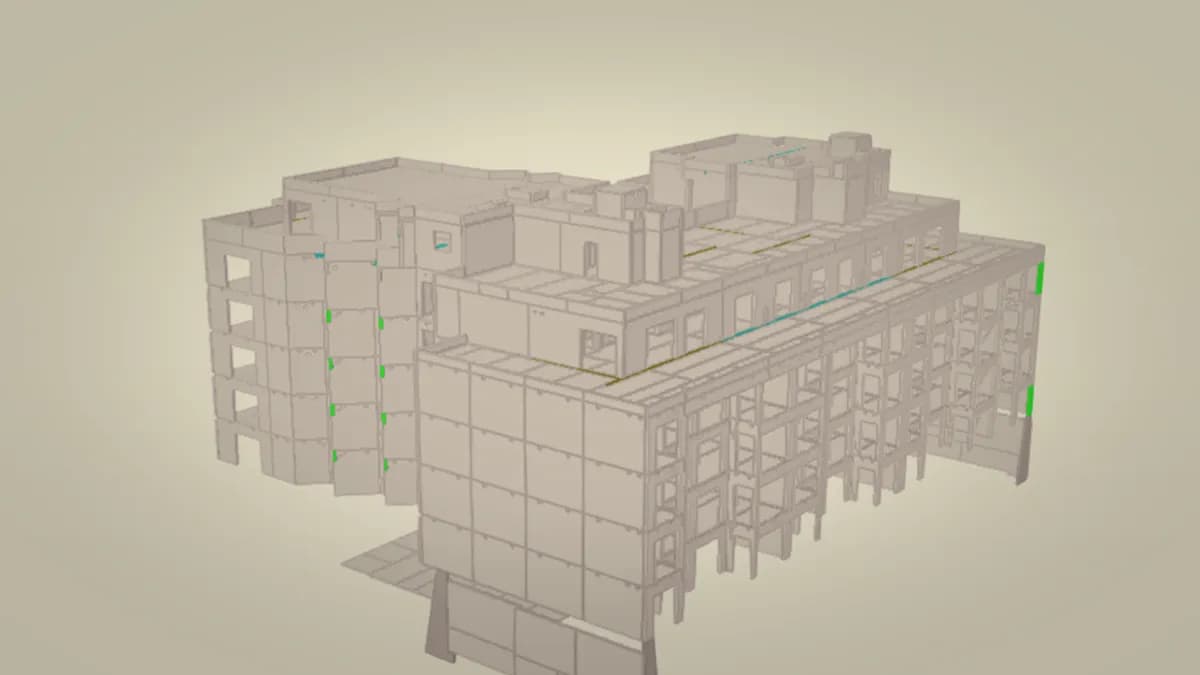
BIM lets architects, engineers and contractors work on the same digital model, catching problems before concrete gets poured. Add AR and VR and teams can walk through buildings before they exist.
Digital twins for Irish infrastructure
Digital twins are expected to be standard in construction projects by 2025, letting teams simulate and monitor building performance using live data.
Think about managing the DART expansion or monitoring new data centres. A digital twin shows exactly what is happening as it happens. No surprises. No guessing.
The bottom line for Ireland
Ireland's construction sector is set for 5% growth in new build output in 2025. But with housing targets, infrastructure needs and climate goals, we cannot just work harder. We have to work smarter.
Ireland's construction workforce hit 182,000 in the first quarter of 2025, the highest since 2012. It is still not enough. Technology has to bridge the gap.
Construction technology is not about replacing Irish workers. It is about helping them build twice as much with the same resources.
We are not saying you need bacteria infused concrete on your next project in Galway. But understanding these technologies helps you compete for the €713 million in road funding and the thousands of housing projects coming this year.
What is your biggest challenge on Irish construction sites right now? Tell us, and we will talk through what actually works in this market.