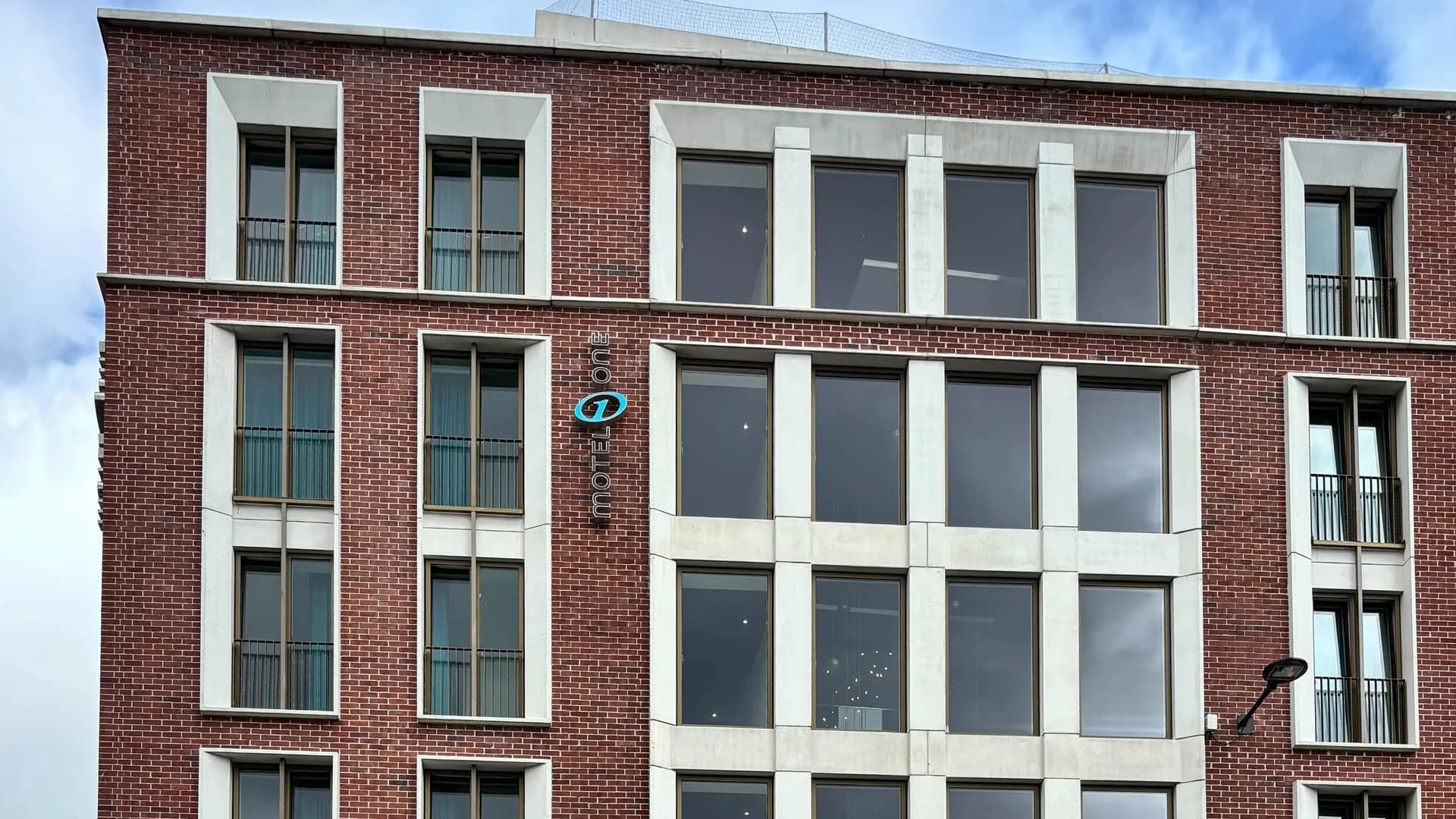
Single Skin Precast Panels
Imagine completing an entire building façade in one operation: weatherproof, thermally efficient and architecturally finished, straight off the lorry.
3 min read
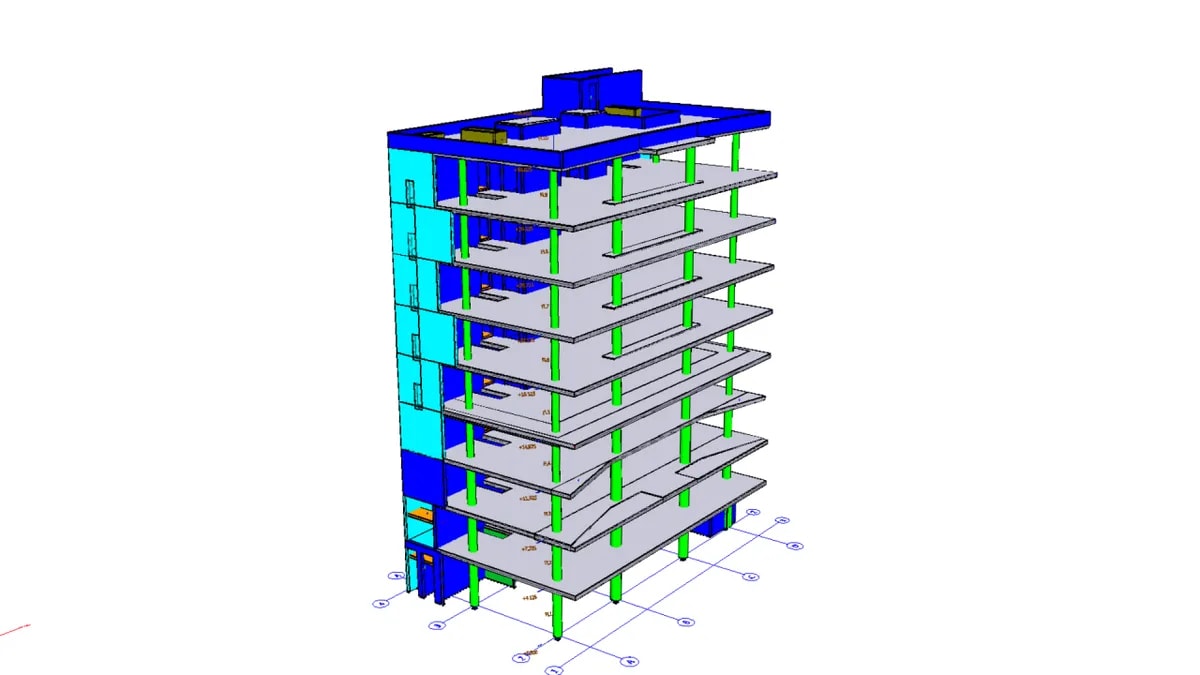
A digital twin is the model kept alive after the building opens, fed by what the thing actually does rather than what it was drawn to do. In precast it starts in the yard, with the element that was cast rather than the one that was specified.
Ireland's mandatory BIM adoption timeline is accelerating that transformation. Design teams on public projects above €20 million have been inside the BIM mandate since January 2025, contractors follow six months behind at each step, and by January 2028 every public works project is covered whatever it is worth.
Digital twins are live virtual replicas of physical assets that update continuously throughout the construction lifecycle. In precast concrete, that means every element, from initial design through manufacturing, transport, installation and operational life, has a living digital counterpart.
Unlike a static BIM model, a digital twin integrates:
That creates a level of visibility and control over precast projects that static models cannot, and it is what makes predictive maintenance, optimisation and quality assurance possible rather than aspirational.
Recent research shows that Ireland hosts approximately 100 offsite manufacturing companies with MMC capabilities, of which only 27 provide complete housing solutions. Digital twin technology offers those companies a competitive edge through better efficiency and quality control.
The NESC report on modern methods of construction highlights the potential for a 20 to 60% reduction in construction time and 20 to 40% cost savings. Digital twins amplify those benefits in three ways:
Case studies demonstrate three applications in particular:
Digital twins enhance precast concrete's already strong sustainability profile. Modern precast production can reduce cement usage by one third per cubic metre compared to cast in situ methods, and digital optimisation improves on that again:
The mandate is why this arrives on Irish jobs whether or not anybody asked for it: design teams on anything over €20 million since January 2025, and every public works project by January 2028. A twin is what a model becomes once it is worth keeping after handover, and precast is where the data to keep it already exists.
Imagine completing an entire building façade in one operation: weatherproof, thermally efficient and architecturally finished, straight off the lorry.
Cement makes about 8% of the world's CO₂. CO₂ curing locks some of it back into precast concrete as stone, and makes the concrete stronger as it does.
Drawings, a specification, or the site address and the programme dates: whatever you have is enough to start. We come back inside two working days, and a written fee proposal against a defined scope follows within three working days of that.