
Carbon Negative CO₂ Curing in Precast Concrete
Cement makes about 8% of the world's CO₂. CO₂ curing locks some of it back into precast concrete as stone, and makes the concrete stronger as it does.
4 min read
Imagine completing an entire building façade in one operation: weatherproof, thermally efficient and architecturally finished, straight off the lorry.
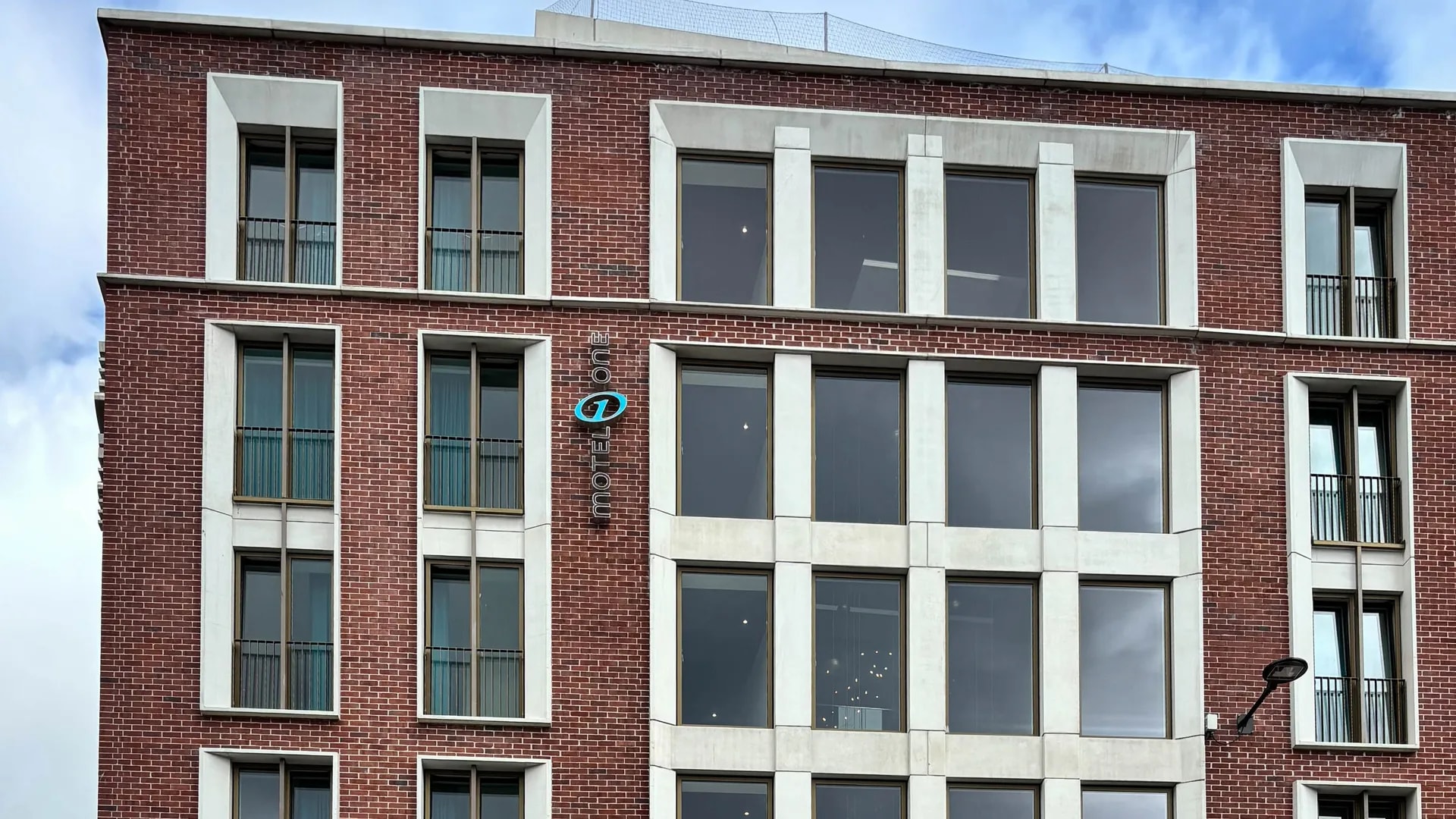
The construction industry is witnessing a shift as developers, architects and contractors discover what single skin precast panels can do. From apartment blocks and hotels to offices, schools and housing developments, this building solution is delivering speed, quality and cost-effectiveness across the built environment.
The same panel is doing a different job in each of these, and what makes it the right answer changes with the sector.
Single skin precast panels have emerged as a preferred choice for residential construction, offering developers a combination of speed and aesthetic flexibility. Housing projects benefit from construction timelines reduced by up to 50% while achieving superior thermal performance and design versatility. The panels can accommodate any architectural vision, from contemporary minimalist façades to traditional textured finishes.
The hospitality sector has embraced single skin technology for its ability to accelerate delivery and reduce operational disruption. Major hotel chains such as Marriott have adopted modular and precast construction methods specifically to open hotels faster and generate revenue sooner. Single skin panels eliminate the need for scaffolding and enable rapid weatherproofing, which is decisive on a project with a fixed opening date.
Commercial developers value single skin panels for their structural efficiency and finished appearance. The system supports longer spans with fewer columns, creating the flexible open plan space modern businesses want. The inherent thermal mass helps regulate internal temperatures, reducing energy consumption and operating costs.
Educational buildings benefit from enhanced acoustic performance, fire resistance and accelerated construction. A school can be manufactured off site and erected in time for the start of the school year. The material's natural sound attenuation creates quieter learning environments, and its fire resistance is a safety argument rather than a marketing one.
Five of them, and they compound. Each is worth something on its own; the case for the system is all five together.
Single skin panels solve the entire façade in one integrated system. The finish is selected during production, whether smooth, textured, coloured or patterned, which eliminates additional on site cladding work. That factory controlled approach ensures consistent quality and removes weather related delay.
Panels at 120mm thickness use fibreglass reinforcement exclusively, which eliminates the corrosion risk associated with traditional steel reinforcement. That means:
For thicker applications, 160mm panels provide enhanced reinforcement cover, ensuring the panel reliably carries its own weight while maintaining structural integrity. That cover protects against environmental factors and provides additional safety margin.
The integration of Thermomass pins, in a 200 by 300mm configuration, offers the best balance of price and performance. These fibre composite connectors provide:
Single skin panels deliver construction time reductions of up to 50% compared to traditional methods. That acceleration comes from:
While the initial cost may appear higher, single skin panels provide significant long term value:
What the system asks of the design, and what it hands back once the moulds are made.
Modern single skin technology supports complex architectural geometry and custom finishes. An architect can specify:
The manufacturing process enables coordinated delivery schedules that minimise or remove on site storage and handling costs. Panels arrive ready for immediate installation, which streamlines the logistics of the whole job.
Single skin precast construction also supports sustainable building practice:
A successful single skin panel project requires early collaboration between design teams, manufacturers and contractors. The planning elements that matter are:
Adoption of single skin precast panels continues to accelerate across every construction sector. As labour shortages persist and quality demands increase, the advantages of factory controlled production become more valuable, and the technology's record across apartments, hotels, offices, schools and housing puts it at the centre of modern construction methods.
Cement makes about 8% of the world's CO₂. CO₂ curing locks some of it back into precast concrete as stone, and makes the concrete stronger as it does.

Precast concrete offers efficiency, quality control and design flexibility that casting in place cannot match. Elements are cast in controlled factory conditions, cured to strength, and delivered to site for rapid assembly.
Drawings, a specification, or the site address and the programme dates: whatever you have is enough to start. We come back inside two working days, and a written fee proposal against a defined scope follows within three working days of that.