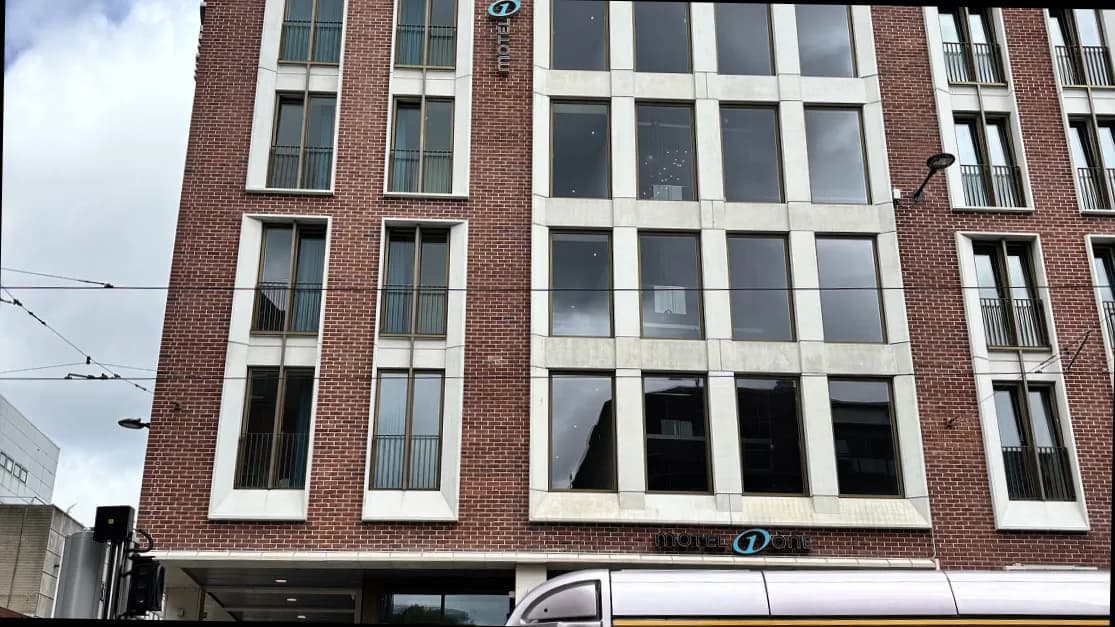
The Hidden Cost of Poor Data Flow
In 2020 alone, poor data management cost the global construction industry an eye-watering $1.8 trillion.
2 min read
Early involvement of engineers and use of digital tools like BIM are not buzzwords. They are proven methods of preventing costly redesigns, delays, and operational headaches.
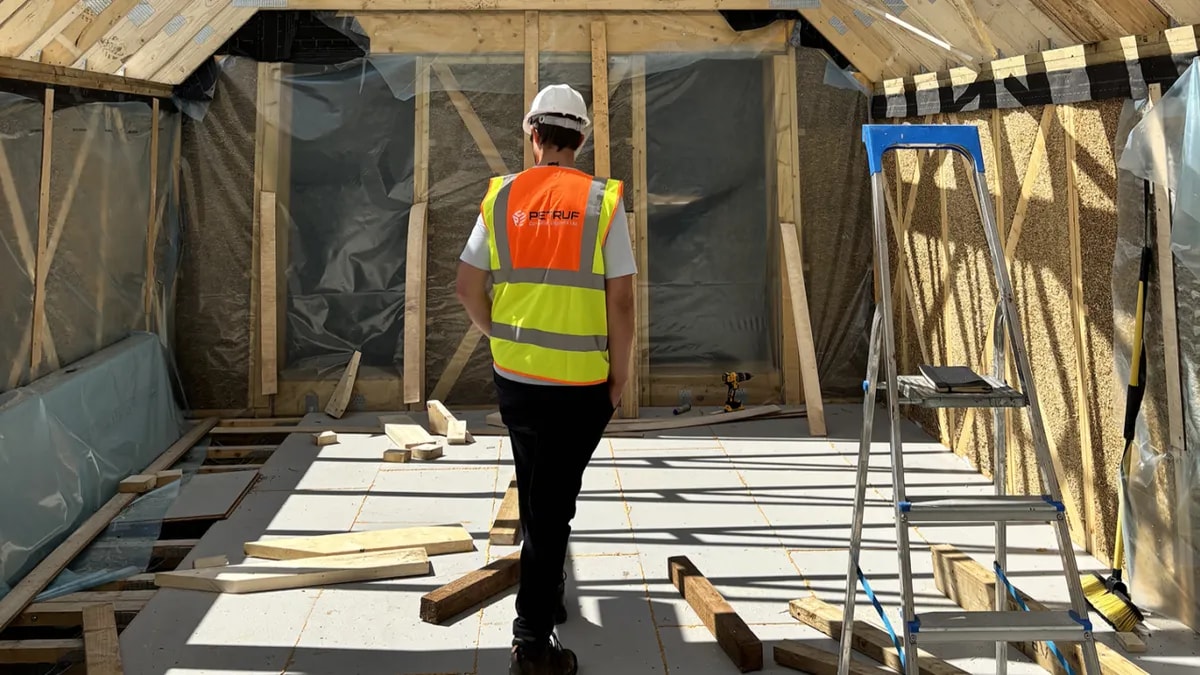
The decisions that decide what a building costs to build and to run are taken before anybody has drawn it in detail. That is the window this piece is about.
Value engineering at the early design stages has the greatest impact on total project cost and performance: not just construction cost, but the maintenance and operational expense over the building's lifecycle. Studies show savings of up to 10% in construction phase time and 7% in cost through early contractor and engineer involvement, especially on complex projects.
Traditional design, bid, build sequencing is the main culprit behind most budget overruns, schedule delays and rework waste. It systematically ignores the value engineers add at the start. Directors have to challenge that inertia or watch competitors deliver faster, cheaper and with fewer claims.
Directors who engage engineers and adopt digital tools from the outset build projects that are faster to market, cheaper to run and easier to manage. The industry data and the case studies make that not just plausible but proven.
In 2020 alone, poor data management cost the global construction industry an eye-watering $1.8 trillion.
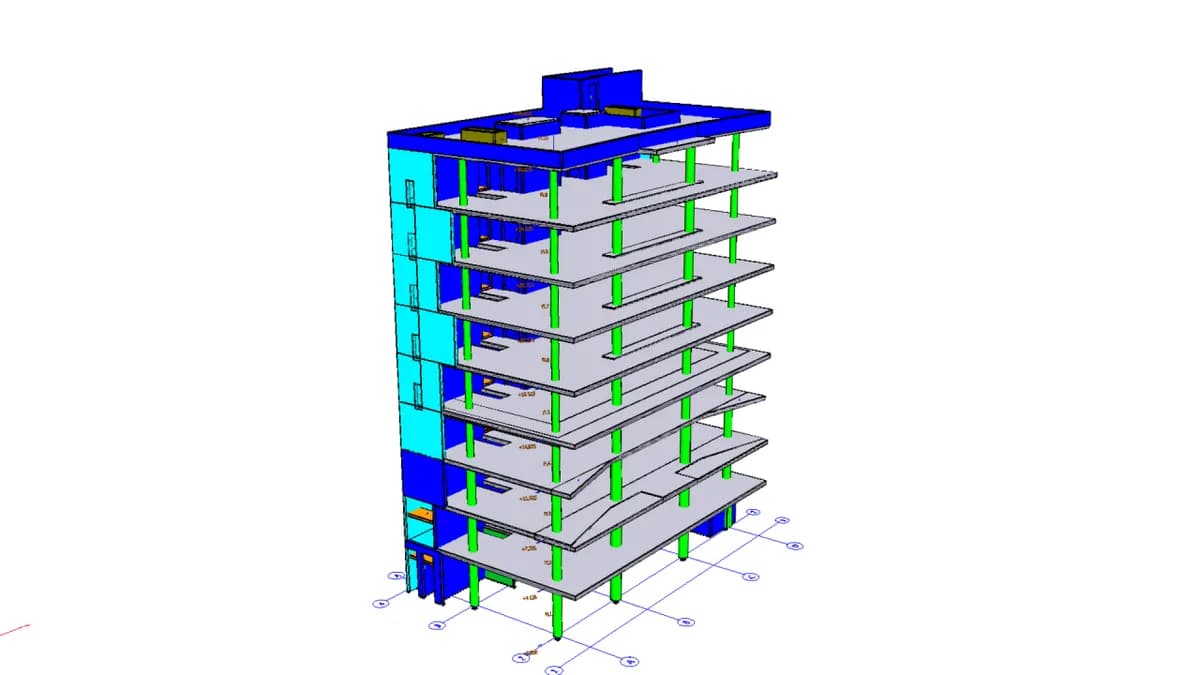
A digital twin is the model kept alive after the building opens, fed by what the thing actually does rather than what it was drawn to do. In precast it starts in the yard, with the element that was cast rather than the one that was specified.
Drawings, a specification, or the site address and the programme dates: whatever you have is enough to start. We come back inside two working days, and a written fee proposal against a defined scope follows within three working days of that.