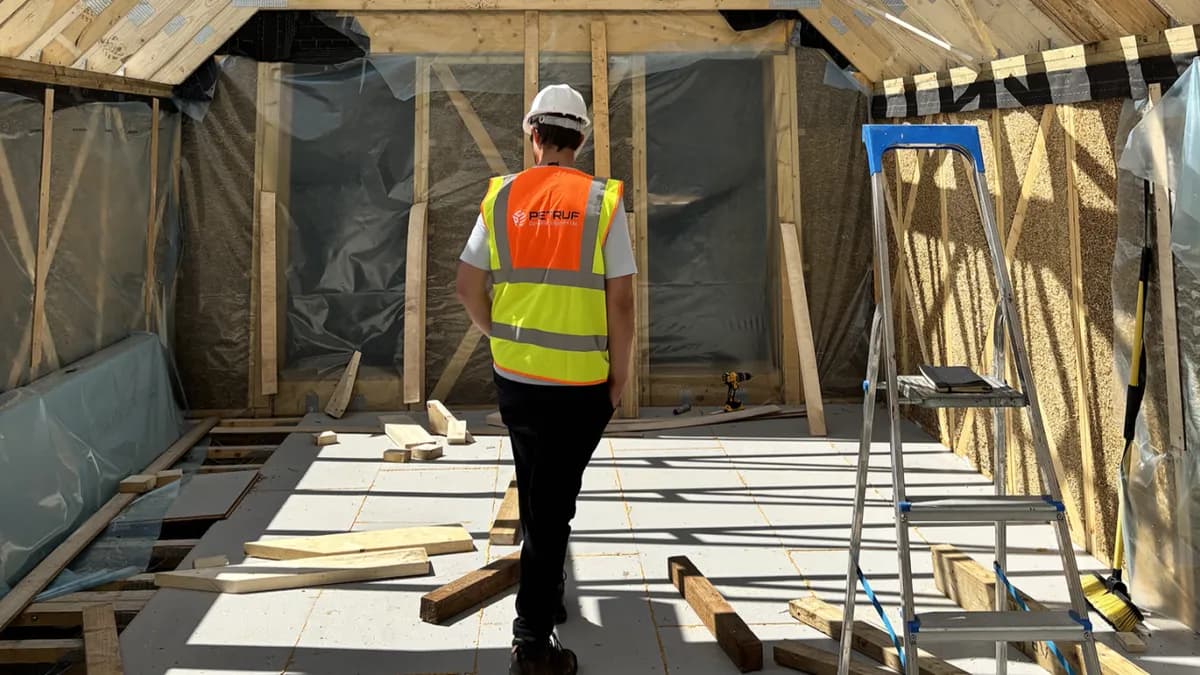
Optimising Early-Stage Project Value
Early involvement of engineers and use of digital tools like BIM are not buzzwords. They are proven methods of preventing costly redesigns, delays, and operational headaches.
3 min read
Procurement is often treated as a back office function, something to worry about later. Leaving it until the last minute is one of the most consistent, destructive mistakes in construction and real estate.
Late procurement is easy to blame on market volatility, delayed design or decision paralysis at the top. Many directors convince themselves the delays are inevitable, that everyone else is behind too, or that fast tracking the choices later will catch it all up. In reality, kicking the can on procurement is a management decision that silently raises risk across the whole project.
It is rarely a decision anybody makes out loud. The design is not frozen, so the packages cannot be priced; the packages are not priced, so nobody wants to commit; and the commitment that would have unblocked the design is the one thing being deferred. Each step is defensible on its own and the sequence is ruinous.
According to recent construction market studies, up to 85% of projects experiencing major overruns cite late procurement as a leading cause.
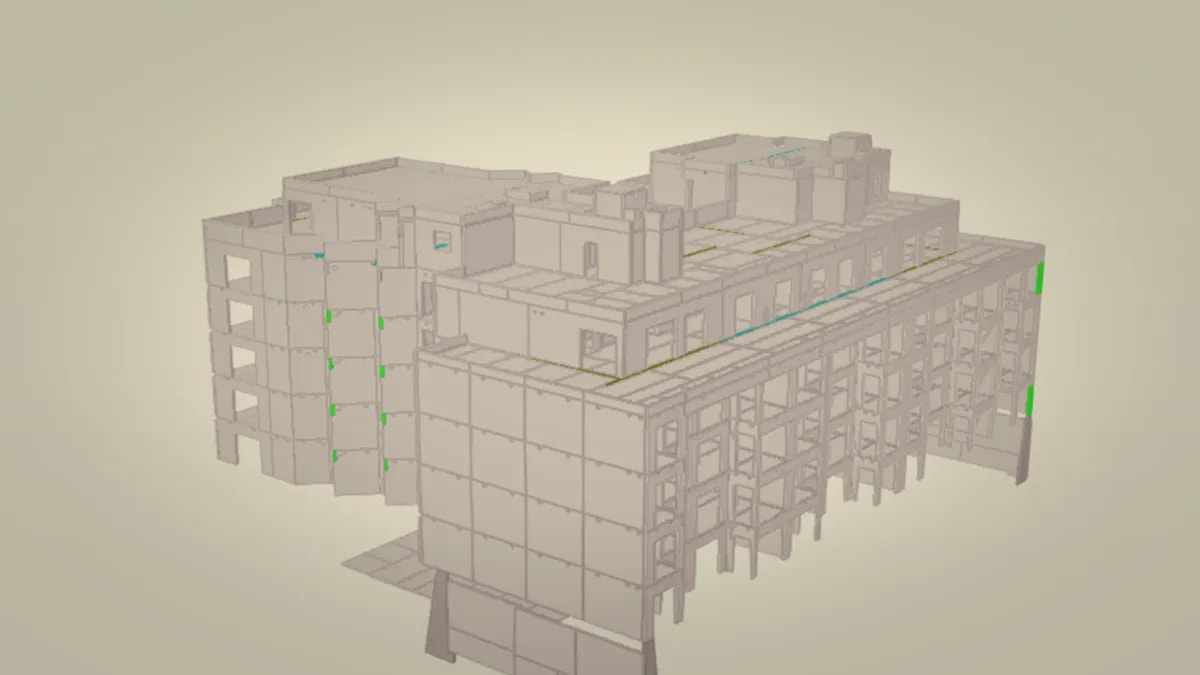
MMC Ireland highlights that reforming procurement policies to prioritise modern methods of construction and accelerating BIM mandates are vital steps for the industry. Early and integrated procurement decisions are what make digital coordination and off site construction possible at all.
Pretending procurement can be back loaded is a shortcut to project disaster. The directors and teams that win in a volatile construction market are the ones who treat procurement as a front line, strategic activity.
Delay may feel easy now, but the price is always higher: in cost, in schedule and in reputation.
Early involvement of engineers and use of digital tools like BIM are not buzzwords. They are proven methods of preventing costly redesigns, delays, and operational headaches.
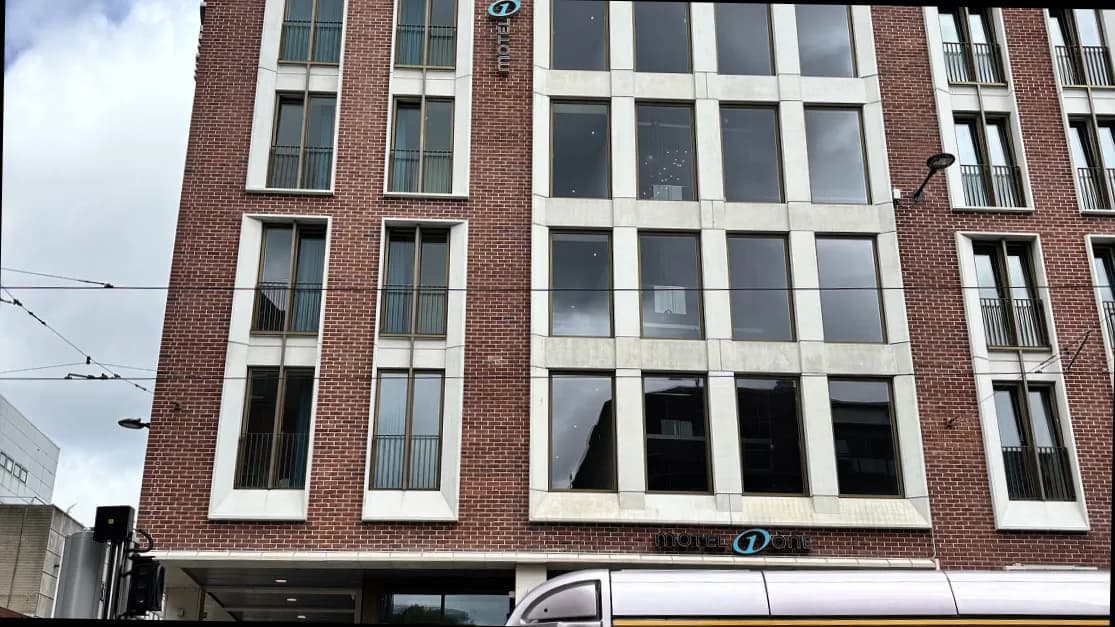
In 2020 alone, poor data management cost the global construction industry an eye-watering $1.8 trillion.
Drawings, a specification, or the site address and the programme dates: whatever you have is enough to start. We come back inside two working days, and a written fee proposal against a defined scope follows within three working days of that.