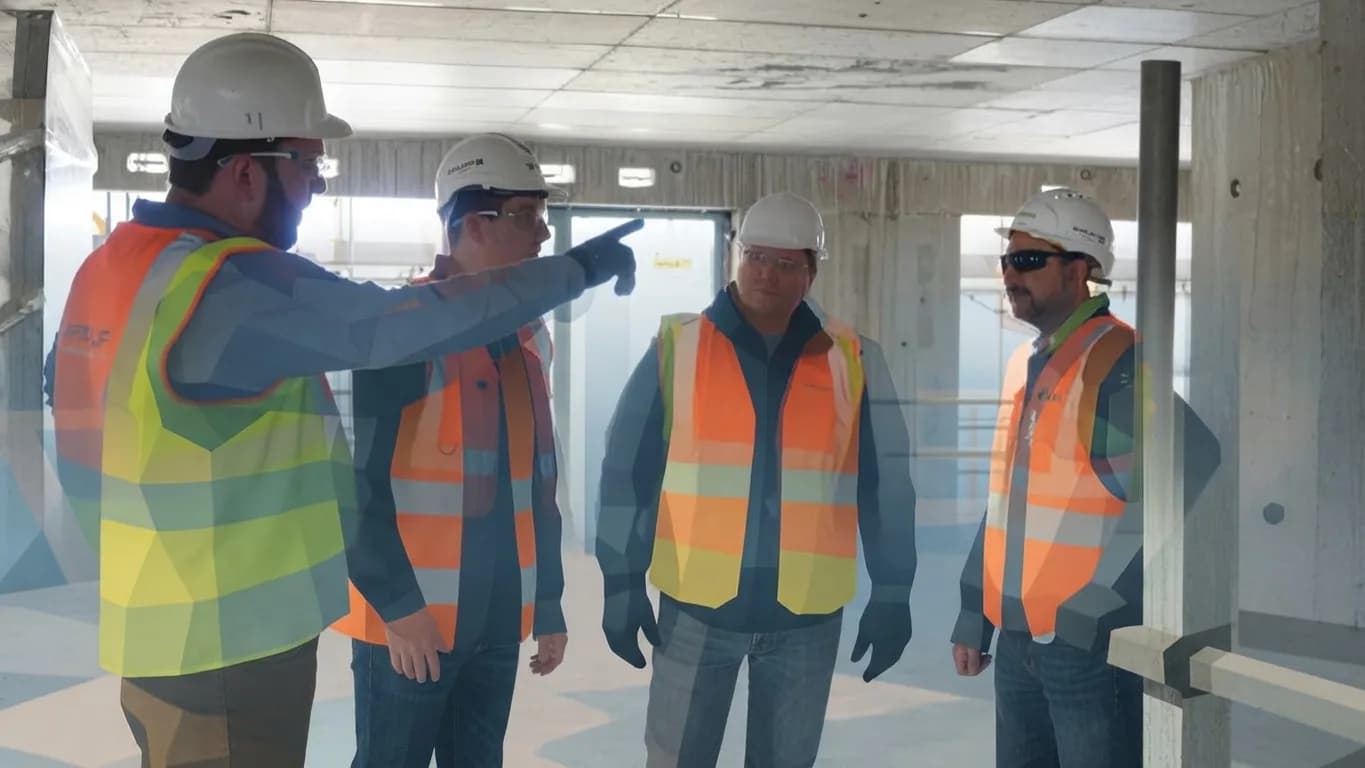
What Are Site Inspections For?
Site inspections are the cornerstone of quality assurance and safety on a construction project. What they cover, why they decide whether a project succeeds, and when they should be carried out.
3 min read
Construction projects move through several key phases, each requiring expert input. Consulting engineers are essential at every stage, ensuring quality, safety, and compliance.
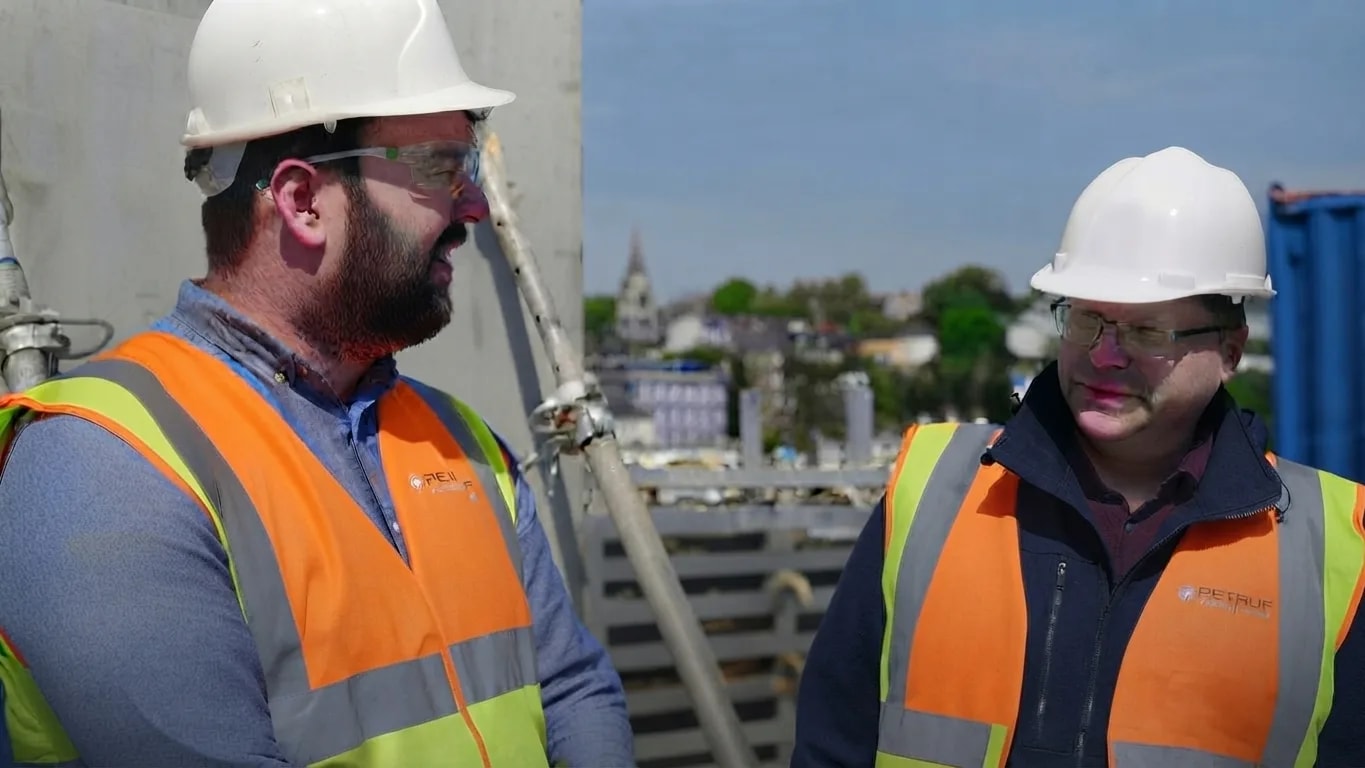
Consulting engineers are essential at every stage: they bridge the gap between design and execution, and they turn a client's intention into something that stands up, complies and lasts. Here is what that looks like, phase by phase.
Every successful project begins with a clear understanding of what is possible. This phase is about shaping the intention and testing its feasibility, before any plans are drawn or budgets set.
Consulting engineers play a crucial advisory role from the start. They assess whether the project is viable, highlight the constraints, and provide the technical foundation for a sound decision.
Design teams develop and refine structural, civil and mechanical and electrical solutions to ensure compliance with industry standards and the client's own requirements. They coordinate closely with architects, contractors and regulatory bodies to align the goals and streamline the work. Throughout, teams prepare the documentation needed for tendering and regulatory approval.
A consulting engineer prepares the detailed technical specifications for procurement, so that every requirement is clearly defined. They evaluate bids and assist in selecting contractors, weighing technical merit alongside value.
They also advise on contract terms, to ensure that technical standards and quality requirements are met throughout the project rather than argued about at the end of it.
A consulting engineer supervises construction to ensure the work complies with the approved design and specifications.
They conduct regular site inspections and quality control checks, issuing instructions for remedial action where it is needed. Acting as the link between contractors and client, the engineer coordinates communication, monitors progress and resolves the technical issues that arise as the job runs.
A consulting engineer tracks milestones and manages resource allocation to keep the project on schedule and within budget. They identify risks early and implement mitigation before the impact lands.
Where the job deviates from the plan, the engineer adjusts it to maintain progress, and reports clearly to every stakeholder so that nobody is working from a version of the truth that is a month old.
A consulting engineer oversees the final quality checks and the commissioning process, to ensure the completed project meets every standard. They prepare as-built drawings and comprehensive operation manuals for the client.
They also ensure that all contractual and technical requirements are fulfilled, certify what has to be certified, facilitate training and support for the client's team, and gather the feedback that improves the next job.
Consulting engineers are integral to every phase of a construction project, acting as technical advisers, designers, supervisors and quality guardians. Their involvement is what ensures projects are delivered safely, efficiently and in line with the technical and regulatory standards that apply. From conception to completion.
Site inspections are the cornerstone of quality assurance and safety on a construction project. What they cover, why they decide whether a project succeeds, and when they should be carried out.
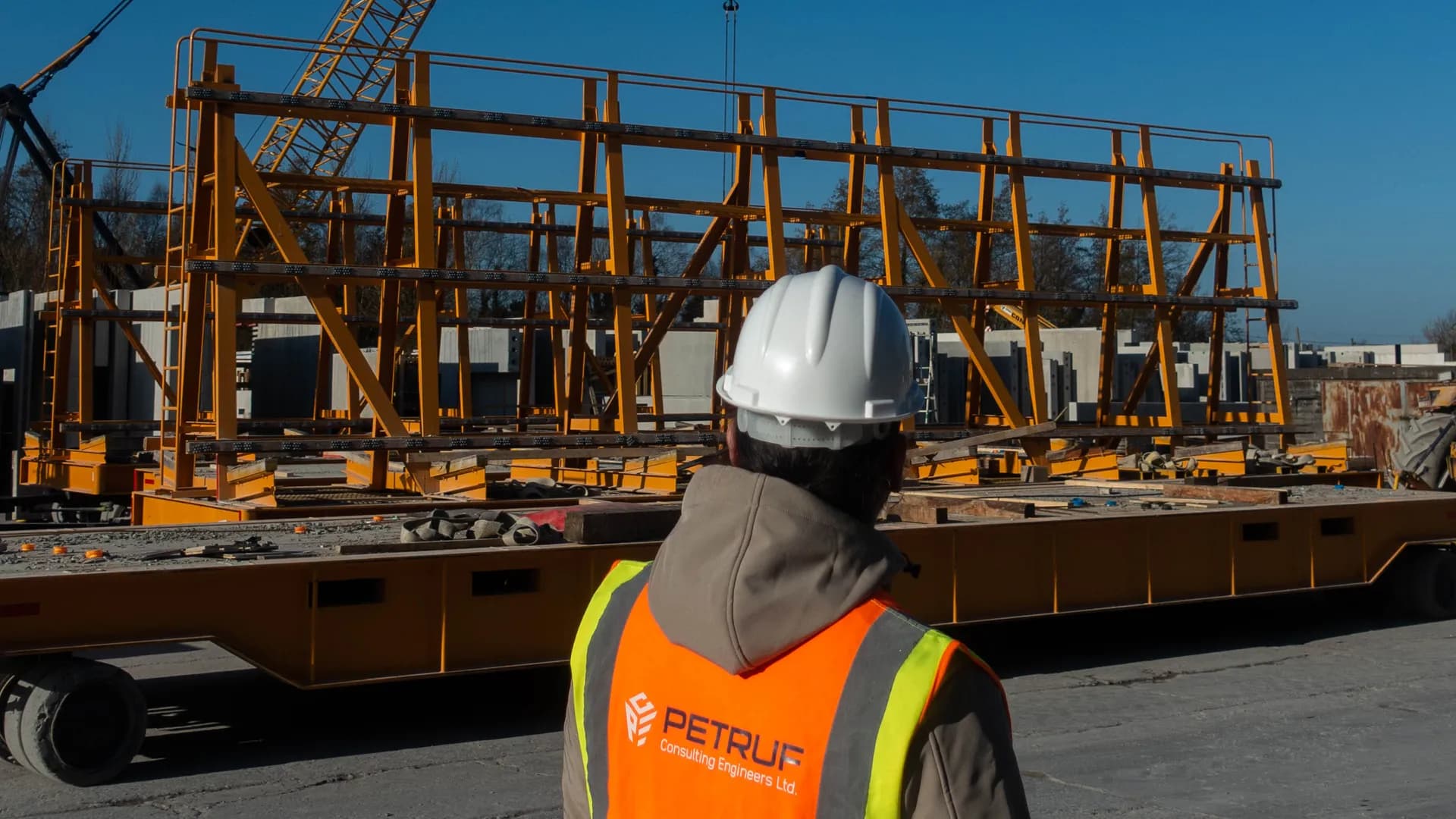
Sustainability, technological integration and performance are converging to redefine project outcomes, and precast concrete is leading that transformation.
Drawings, a specification, or the site address and the programme dates: whatever you have is enough to start. We come back inside two working days, and a written fee proposal against a defined scope follows within three working days of that.