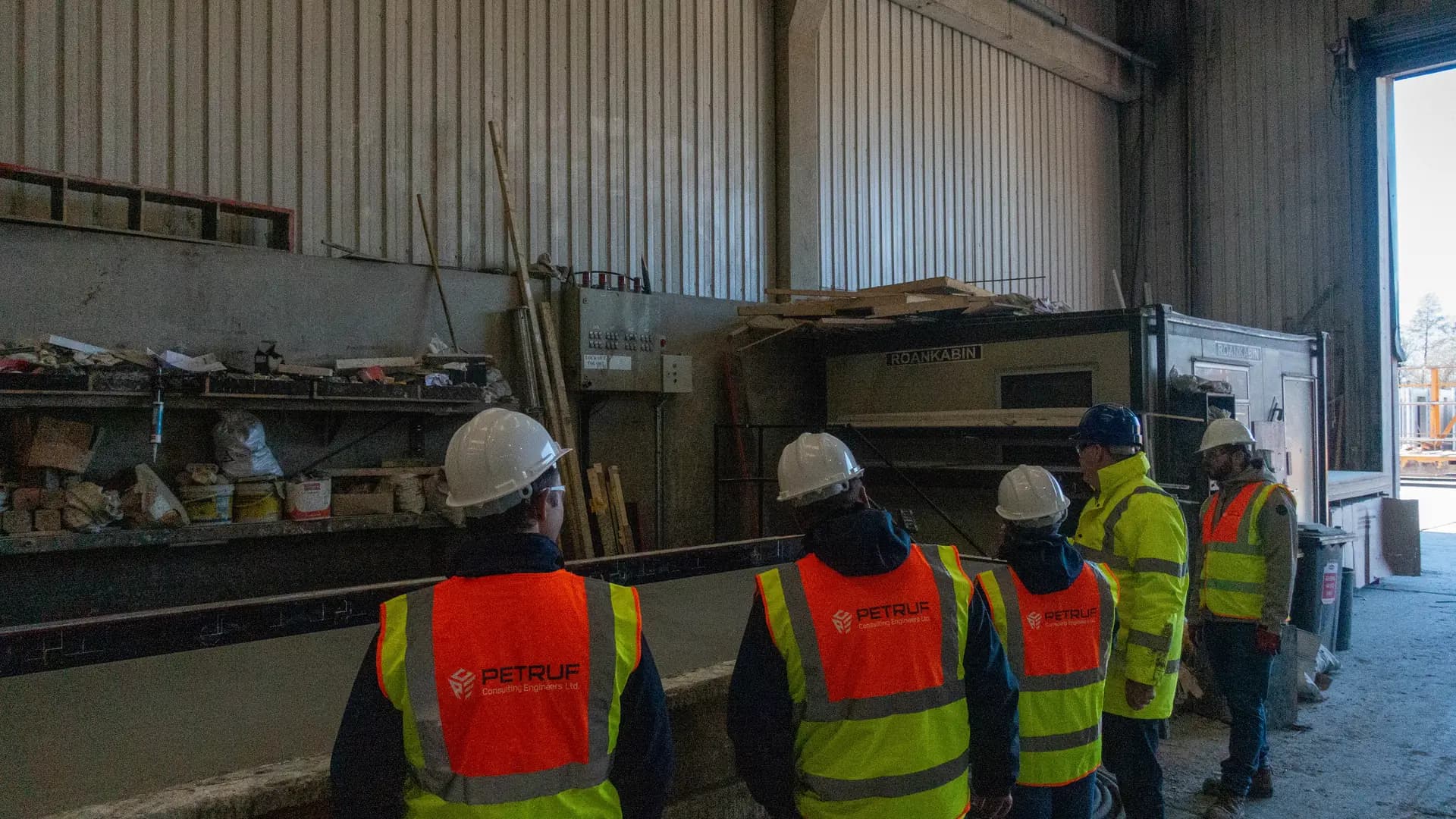
What Precast Concrete Actually Buys
Precast is sold on speed, the least interesting part of it. What it buys is a dry floor to work off and a programme that stops depending on the weather.
4 min read
Design Certifier and Assigned Certifier are two different appointments under the building regulations, and they get used as though they were one. The difference decides who is on the hook for what.
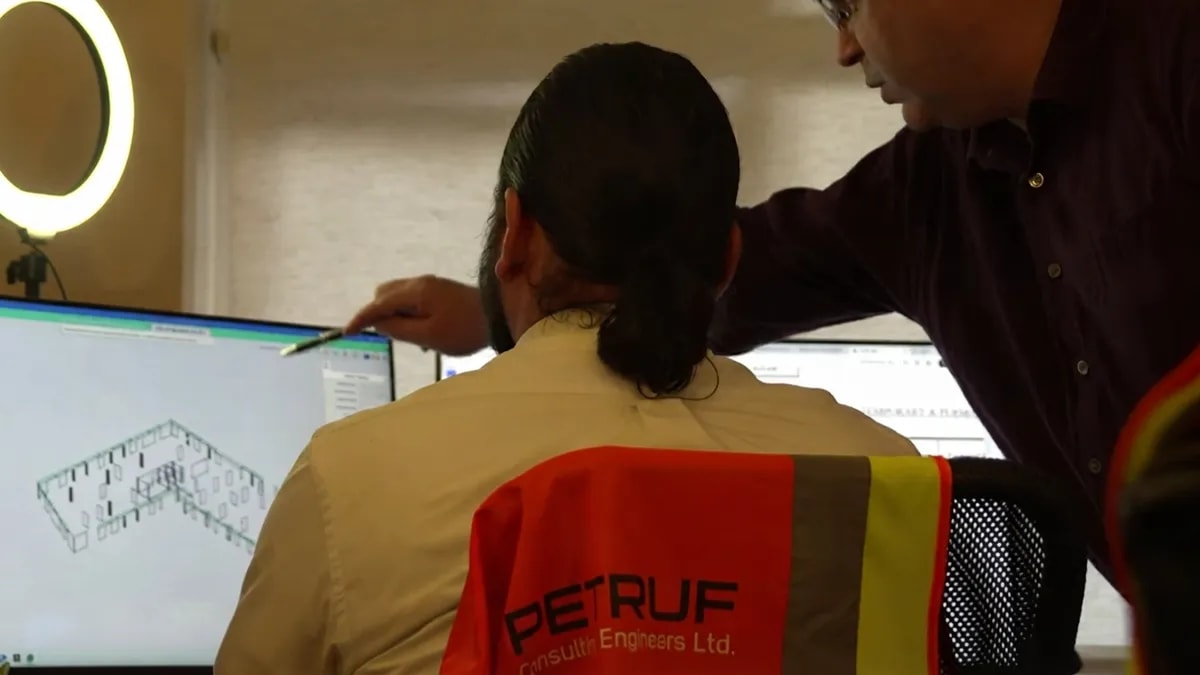
Since the Building Control (Amendment) Regulations came in, two roles have to be filled on any project inside statutory certification, and both of them can only be filled by a registered professional: a Chartered Engineer, a Registered Architect or a Registered Building Surveyor. People ring this office asking for a certifier and mean either one of them, sometimes both, and occasionally neither.
The Design Certifier signs that the design, as lodged, complies with the building regulations. It is a design role and it ends with the design. For the structure, that is what this office takes on: we design the frame, we prepare the drawings and the calculations behind it, and we sign the certificate that says the thing we drew complies.
On a project with several designers, each one certifies their own part and somebody has to collect those parts. That is why the Ancillary Certificates exist: the structural engineer certifies the structure, the mechanical and electrical designer certifies the services, and the certificates travel up to whoever is signing the whole.
The Assigned Certifier is appointed by the building owner, writes the inspection plan, carries out and coordinates the inspections while the work is going on, and signs the certificate of compliance on completion. It runs the length of the job on site, not the length of the design, and it is a coordinating role: the Assigned Certifier is the one collecting everybody else's Ancillary Certificates at the end.
That is the distinction that matters when you are pricing. A Design Certifier's fee is part of designing the thing. An Assigned Certifier's fee is a function of how long the site runs and how often somebody has to be on it, and it carries a different kind of exposure, because it is about what the builder actually did rather than about what was drawn.
We take both roles. As Design Certifier we certify the design and sign the Ancillary Certificates for the elements in our scope; as Assigned Certifier we take the appointment for the whole works, write the inspection plan and sign the certificate on completion with the builder. Both are part of the compliance work this office is set up for. If you ask us for a certifier we will ask which one you mean before quoting, because quoting the wrong one either underprices your job or overprices ours.
For a one off dwelling a self builder can opt out of the full certification process. It is worth being clear about what that means. The owner takes on the roles themselves. The obligation to build in accordance with the building regulations does not go anywhere: the paperwork changes, the standard does not, and the person standing behind the work is now the person who lives in it.
That can be the right call on a modest self build with a good builder. It is a poor one if the house is being sold, refinanced or handed over to anybody who will want to see certificates, because the certificates will not exist. Decide it before the commencement notice goes in rather than after, since it is not a decision you can revisit halfway up the walls.
The two roles do not price the same way, which is the practical reason to know which one is being asked for. Design Certifier is bounded work against a design that is finished or nearly so, and most of it is done by the time the commencement notice goes in. Assigned Certifier runs for as long as the build does: it is priced against the programme and the inspection plan rather than against the drawings, so a house that takes nine months and a house that takes two years are not the same appointment however alike they look on paper.
What moves either is the scale of the job, how complicated it is, and how much of the design belongs to somebody else to certify. What we need in order to quote is the commencement date, the programme you expect, and the drawings as they currently stand.
If you are not sure which of the two roles your architect or your bank is asking for, send us the request as it was worded to you. Reading it back is a phone call, and it is free.
Precast is sold on speed, the least interesting part of it. What it buys is a dry floor to work off and a programme that stops depending on the weather.
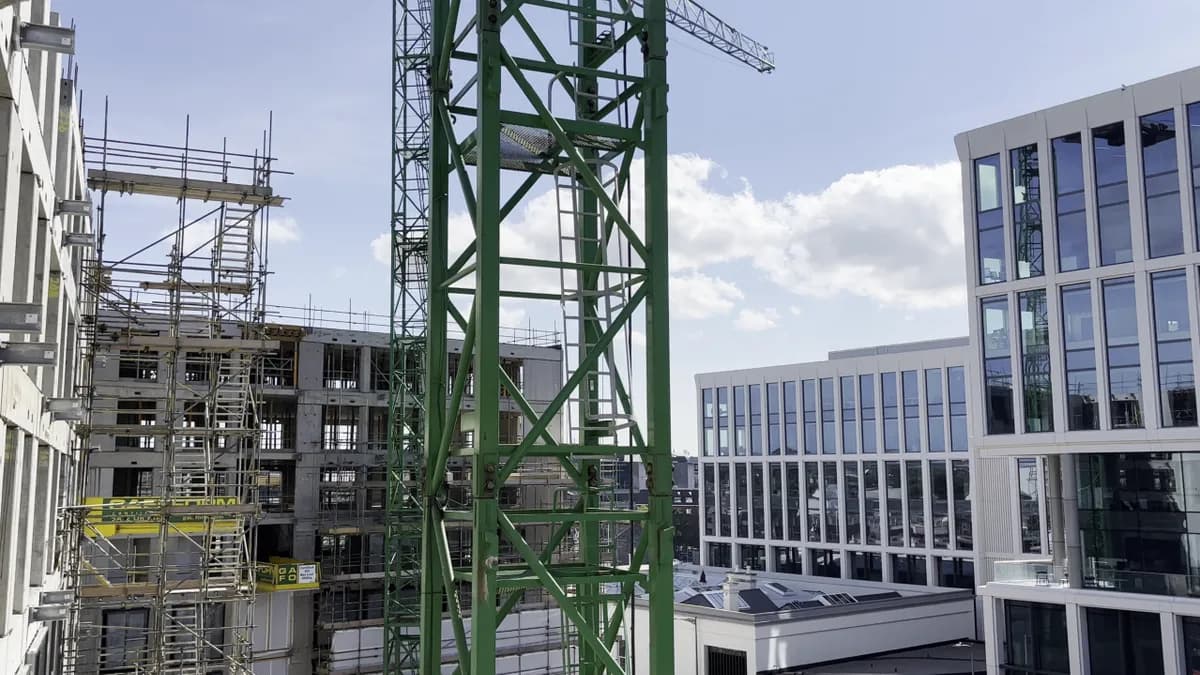
Ireland's record €275 billion National Development Plan runs to 2035 and its projects are stuck. What has to change for the money to become building.
Drawings, a specification, or the site address and the programme dates: whatever you have is enough to start. We come back inside two working days, and a written fee proposal against a defined scope follows within three working days of that.