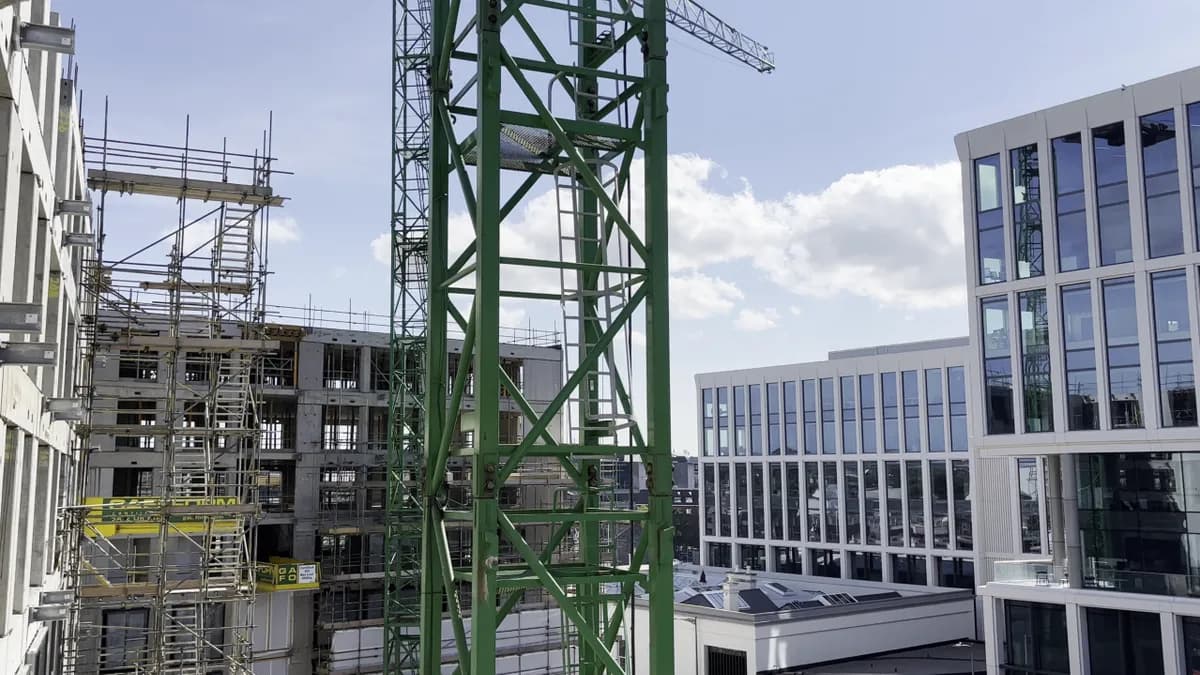
Irish Construction in 2026: Money Is No Longer Enough
Ireland's record €275 billion National Development Plan runs to 2035 and its projects are stuck. What has to change for the money to become building.
4 min read
Precast is sold on speed, the least interesting part of it. What it buys is a dry floor to work off and a programme that stops depending on the weather.
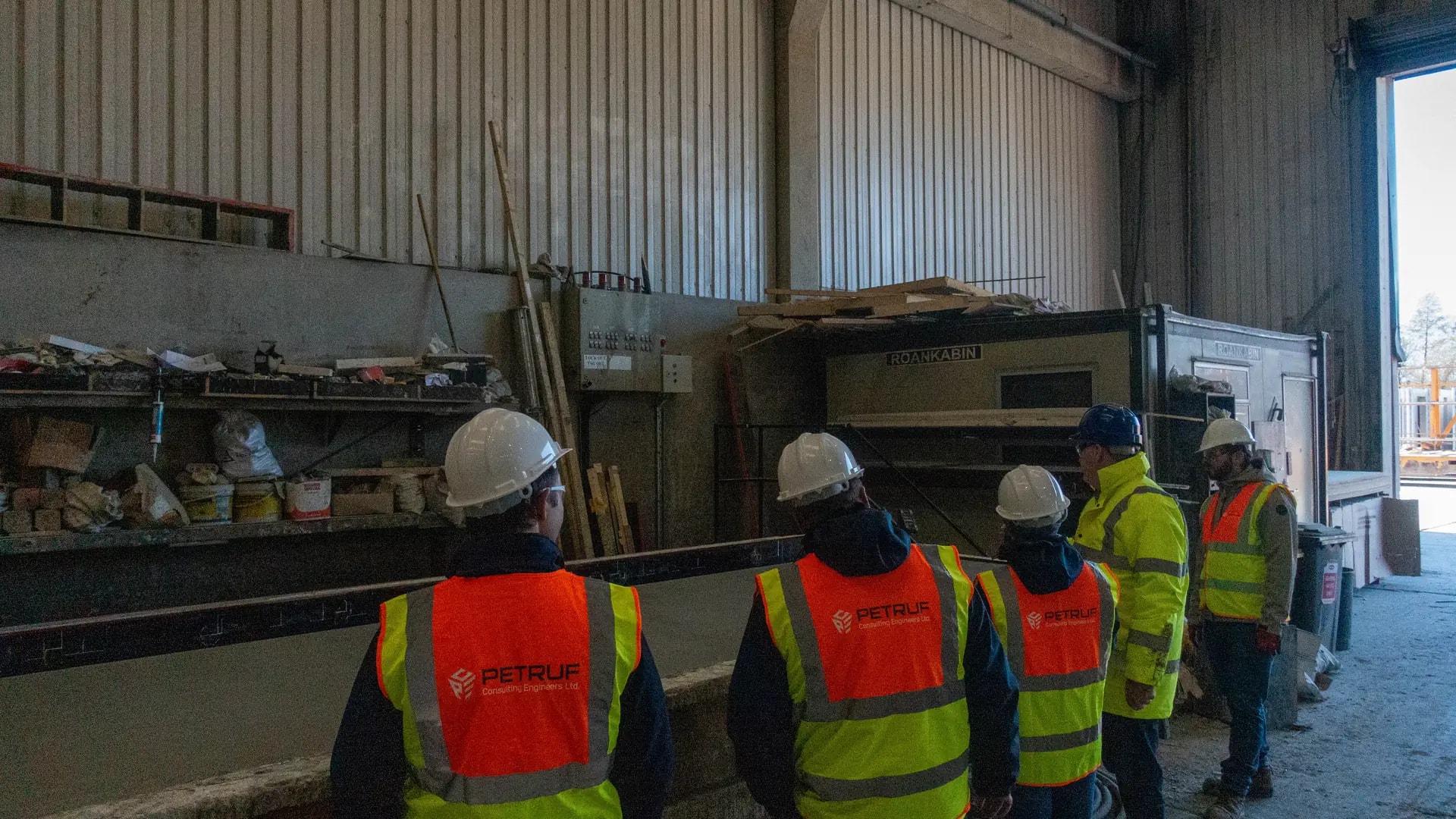
Ask anybody why they went precast and they will say it was quicker. It usually is. But the weeks are not saved where people think they are, and on the jobs where precast is the wrong answer, the weeks are exactly where it goes wrong.
The thing that changes a programme is not the speed of the frame going up. It is that each floor is a working platform the day it lands. Hollowcore units are craned in, grouted, and the trades follow the crane up the building instead of waiting for the whole frame. On a four storey block that means the first floor apartments are being first fixed while the top floor is still being erected, which is a fortnight or more that simply does not exist in a wet trade programme.
That compounds with the weather, which in this country is the real schedule risk. A precast erection sequence has a handful of days that genuinely stop for wind, and very little else. In situ concrete has pours that stop for rain, curing that slows in the cold, and a formwork cycle that has to be resourced whether the weather cooperates or not.
The saving is in repetition rather than in the material. A student scheme or an apartment block is the same room a few hundred times, and crosswall precast puts the structure on the party walls that were going to be there anyway for acoustics and fire. One panel type per condition, one connection per junction, the detail resolved once and then not touched. No downstand in the bedroom, no column in the corner of the living room, and no chasing a wet trade around a repeated layout.
Where a building has no repetition, that logic reverses. A one off house with a different wall arrangement on each level is a set of bespoke panels, each one drawn, cast and craned as a special. At that point in situ or steel is usually cheaper and always more forgiving of the changes that arrive halfway through.
This is the part worth reading twice. Precast moves every decision to the front of the job. Once a panel is cast it is a finished object: the opening for the service riser is where it is, the socket box is where it is, and the connection is where it is. A change on site becomes a cut, a patch or a new unit on a lorry, and none of those are cheap.
So the building services have to be coordinated before the first unit is cast, not after. That is the single largest source of grief on precast jobs, and it is also why we model the frame with the services in it rather than drawing them separately. A clash found on screen is free. The same clash found on site is a core drill through a structural panel and a phone call about whether it is still a structural panel.
Ask two questions before anything else. Is the building repetitive, and can the design be frozen early enough to cast to it. Two yeses and precast will almost certainly be quicker and often cheaper. One no and it is worth pricing both. Two nos and you should be building it another way, and any engineer who tells you otherwise is selling you something.
Not a fee in this case, but the frame itself, and the comparison is where most of the arguments happen. A rate per square metre for precast set against a rate for in situ will usually flatter the in situ, because it prices the concrete and not the programme. What belongs in the comparison is the crane time, the preliminaries for the weeks the two options differ by, the follower trades standing on a dry floor instead of waiting for one, and the haulage from whichever yard is casting it.
What moves the precast number is repetition, how early the design can be frozen and the distance from the yard. What moves the in situ number is weather, labour and how long the site stays open. Price them against the same programme rather than the same square metre and the answer is usually not close.
We design in precast, in situ concrete, steel and the hybrids that most buildings actually end up being, so we have no stake in which of them your job turns out to want.
Ireland's record €275 billion National Development Plan runs to 2035 and its projects are stuck. What has to change for the money to become building.
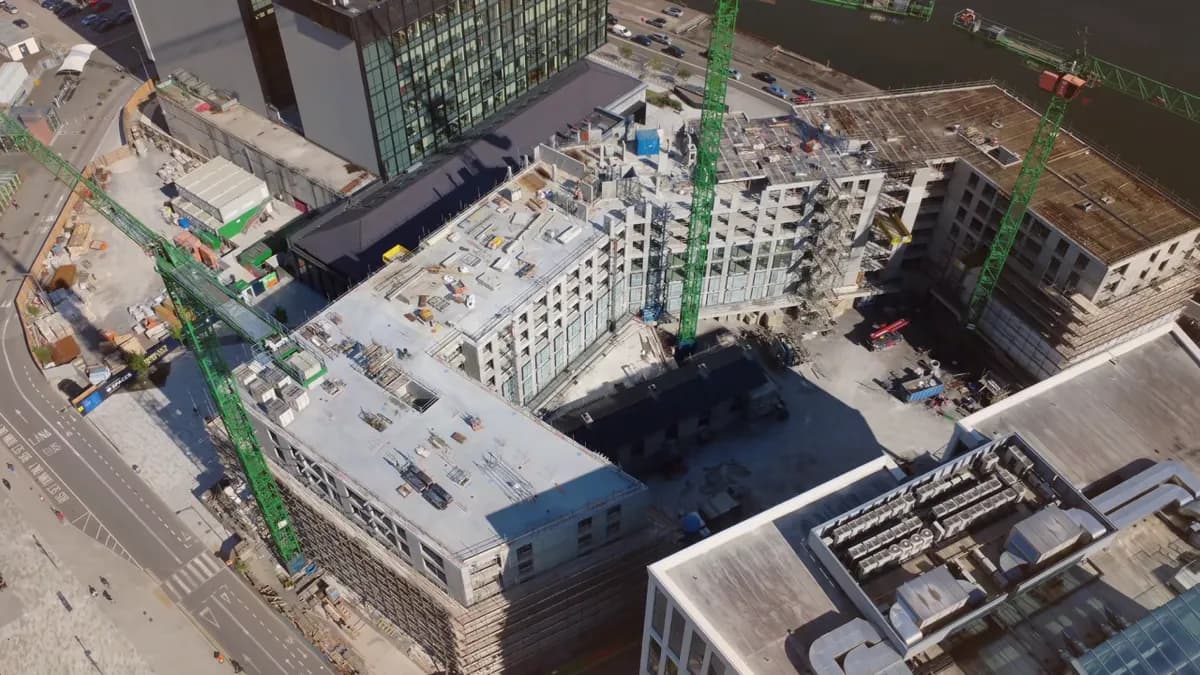
Housing, transport and infrastructure are being built at once, and the engineering under them has changed more than the skyline has. Three things define the job in Ireland now, and the calculation is none of them.
Drawings, a specification, or the site address and the programme dates: whatever you have is enough to start. We come back inside two working days, and a written fee proposal against a defined scope follows within three working days of that.